

4 MIN READ
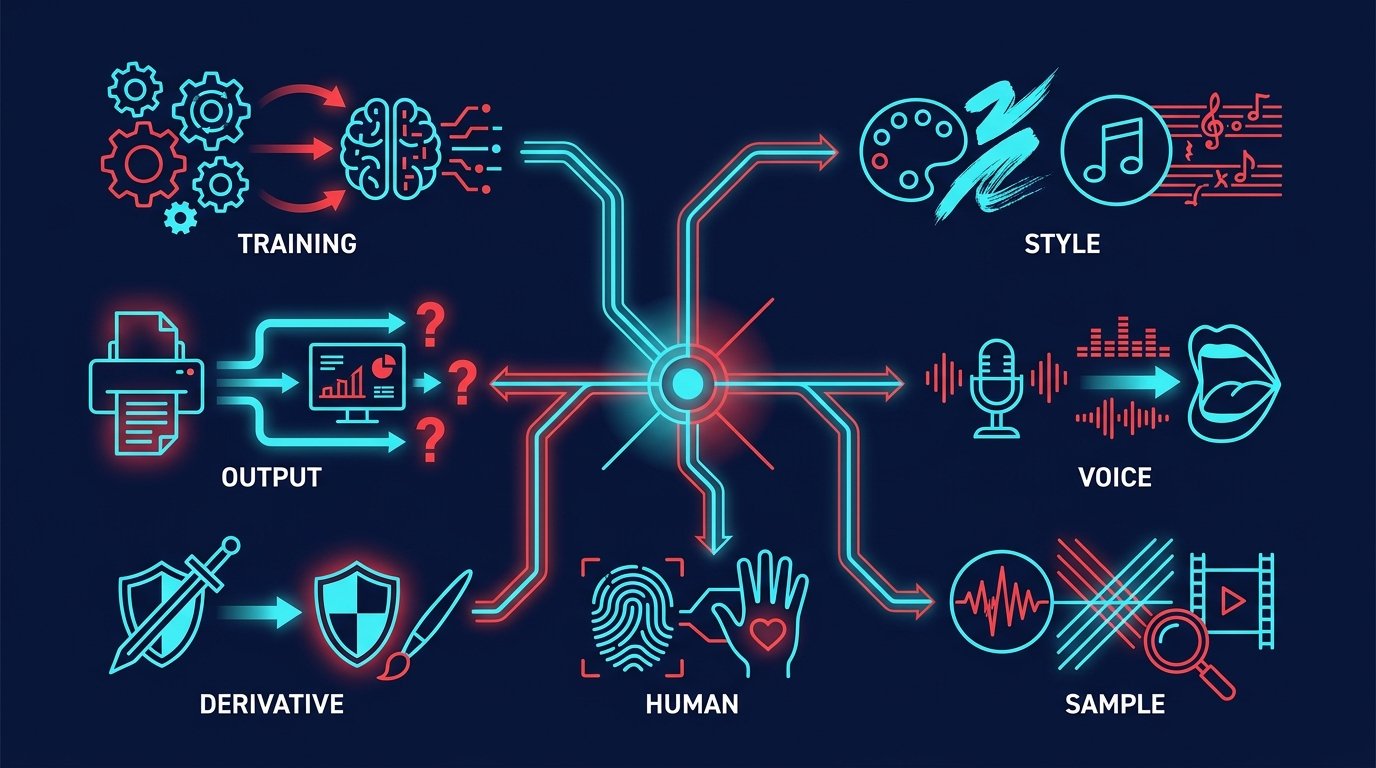
The AI music royalties mess in 2026 is not a single problem. It is at least three problems stacked on top of each other. The first is training data. The second is output similarity. The third is who collects. The legal answers are still being argued in court. The mechanical answers, the ones that determine what actually gets paid, are already in place, and they favour the platforms and the labels with the lawyers. The artists and the songwriters are getting a worse deal than the headlines suggest.
Where the money is actually going
The three major generative music platforms in 2026 are Suno, Udio, and the closed beta of Stability’s audio model. Suno and Udio both settled the major label training data lawsuits in 2024 and 2025. The settlement terms were not public, but the industry reporting suggests a per use royalty pool funded by the platforms, with the money distributed through the major label publishing and mechanical rights infrastructure. That is a meaningful step forward for the songwriters who were part of the original training data. It does almost nothing for the artists who were not. The settlement covers past use. It does not establish a forward looking rate.
The output similarity question is the one most people are watching. Two tracks sound alike. One was generated. One was not. Did the generated track copy the original, or did it produce something that merely resembles the original. Under current US copyright law, the test is substantial similarity, and the test is judged by an average listener. AI generated tracks that are clearly derivative (same melody, same lyrics, same structure) are infringing. AI generated tracks that merely sound like a particular artist in style (same tempo, same genre conventions, same vocal timbre) are not. The grey zone is large. The litigation is going to take a decade to settle. The mechanical answers cannot wait.
What the platforms are actually doing
DistroKid, TuneCore, and the other indie aggregators now have explicit policies on AI generated content. You must declare the track as AI generated or AI assisted. The royalty rate is the same. The metadata flag is the differentiator, and the flag determines whether the track is eligible for the human curated playlists and the editorial placements. Spotify and Apple Music are not yet flagging AI tracks in the consumer UI, but the metadata is in the system. When the consumer UI does flag them, the playlist economics shift overnight.
The mechanical rights societies (ASCAP, BMI, SESAC, PRS, GEMA) have not yet published definitive guidance on AI generated works. The interim position is that the AI generated track is registered by the human who prompted it, and the registration is treated as a work for hire. The songwriter share goes to the human. The publisher share is whatever the human has negotiated. For most independent AI music producers in 2026, that is a 50/50 split with a self owned publisher. The labels are still trying to negotiate a different rate for AI assisted works, on the theory that the AI model itself should share in the publisher share. The labels have not won that argument yet.
What an artist can do about it
First, do not train a model on your own catalogue without a license agreement. The model is the most valuable asset. You do not give it away for free. Second, do not use AI generated outputs to claim authorship of work you did not write. The metadata is in the system, and the audit trail will catch you. Third, if you are using AI as a tool (not as a replacement), declare the use and negotiate the rate based on the human creative input. The mechanical answer to the AI music royalties mess in 2026 is that the platforms and the labels are eating the difference, and the artists are getting whatever is left over from the settlement pools. The structural answer is going to take the courts. The mechanical answer is going to take the platforms.
The bottom line
Three problems stacked: training data, output similarity, who collects. Suno and Udio settled the training data question. The output similarity question is going to court for a decade. The collection question runs through the labels and the publishers, not the artists. The mechanical answer favours the platforms. The structural answer is years away.
Sources & Further Reading
All claims in this article are sourced from primary documentation, vendor advisories, and reputable security researchers.
Spotted an error? Email the editor. Corrections are issued with a visible correction note.
Editorial standards. Every article on humanrequired.org is reviewed by a human editor before publication. AI may assist with drafting or research; final editorial control is human. Read the full standards.


