Tag: Malware
-

The Incident Responder’s Playbook When Malware Hits
The first 60 minutes of a malware incident decide the next 60 days. Here is what the responder actually does, in order, with the tooling that holds up under pressure.
-
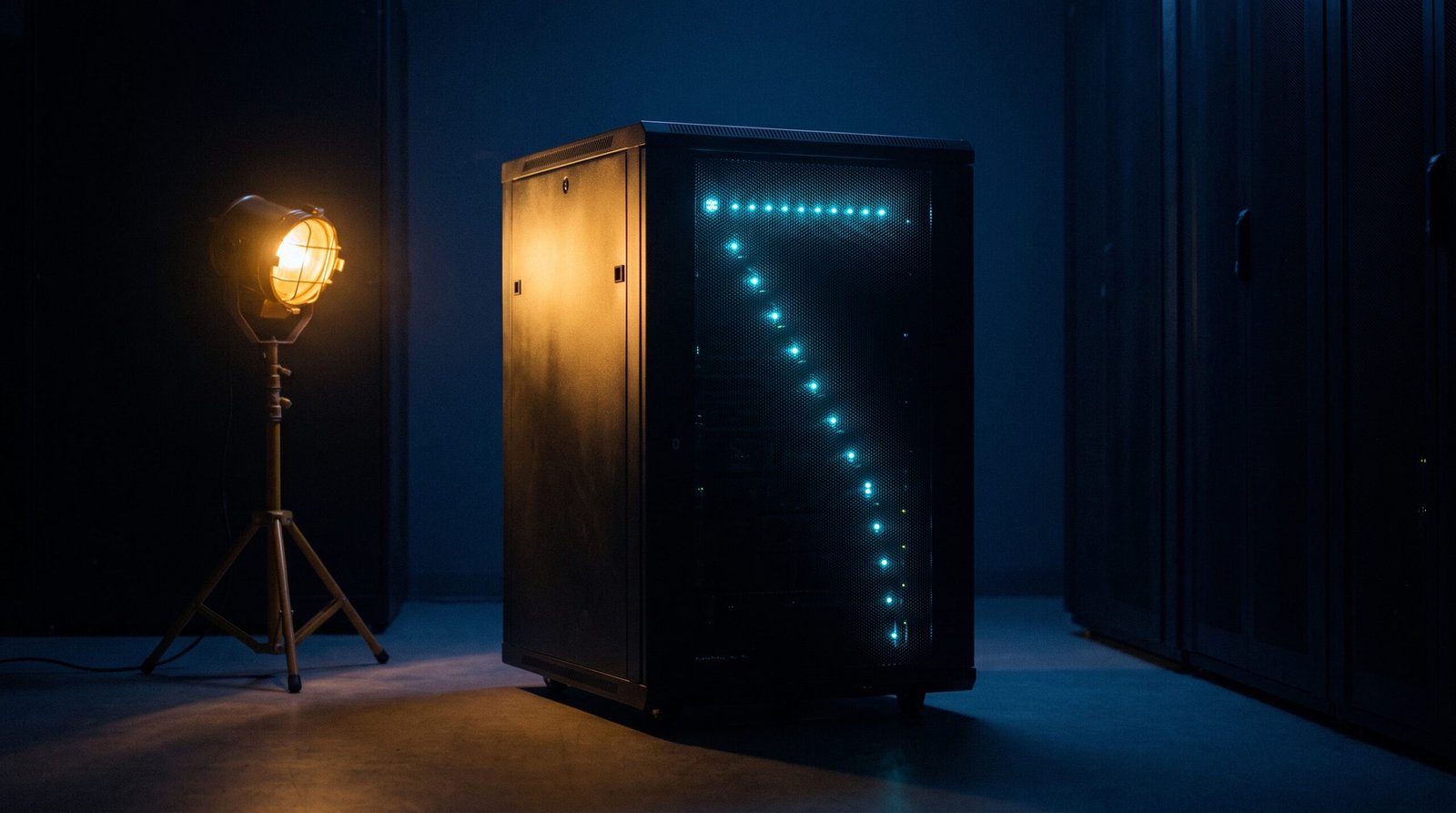
Wipers, Not Ransomware, Are the New Normal
Picture the standard ransomware playbook. Attacker breaches the network, encrypts the data, posts the ransom note. Victim pays, gets the decryption key, restores, files the insurance claim, moves on. That last part is the part that is breaking. A growing share of attackers are taking the ransom and refusing to hand over the key. The…
-
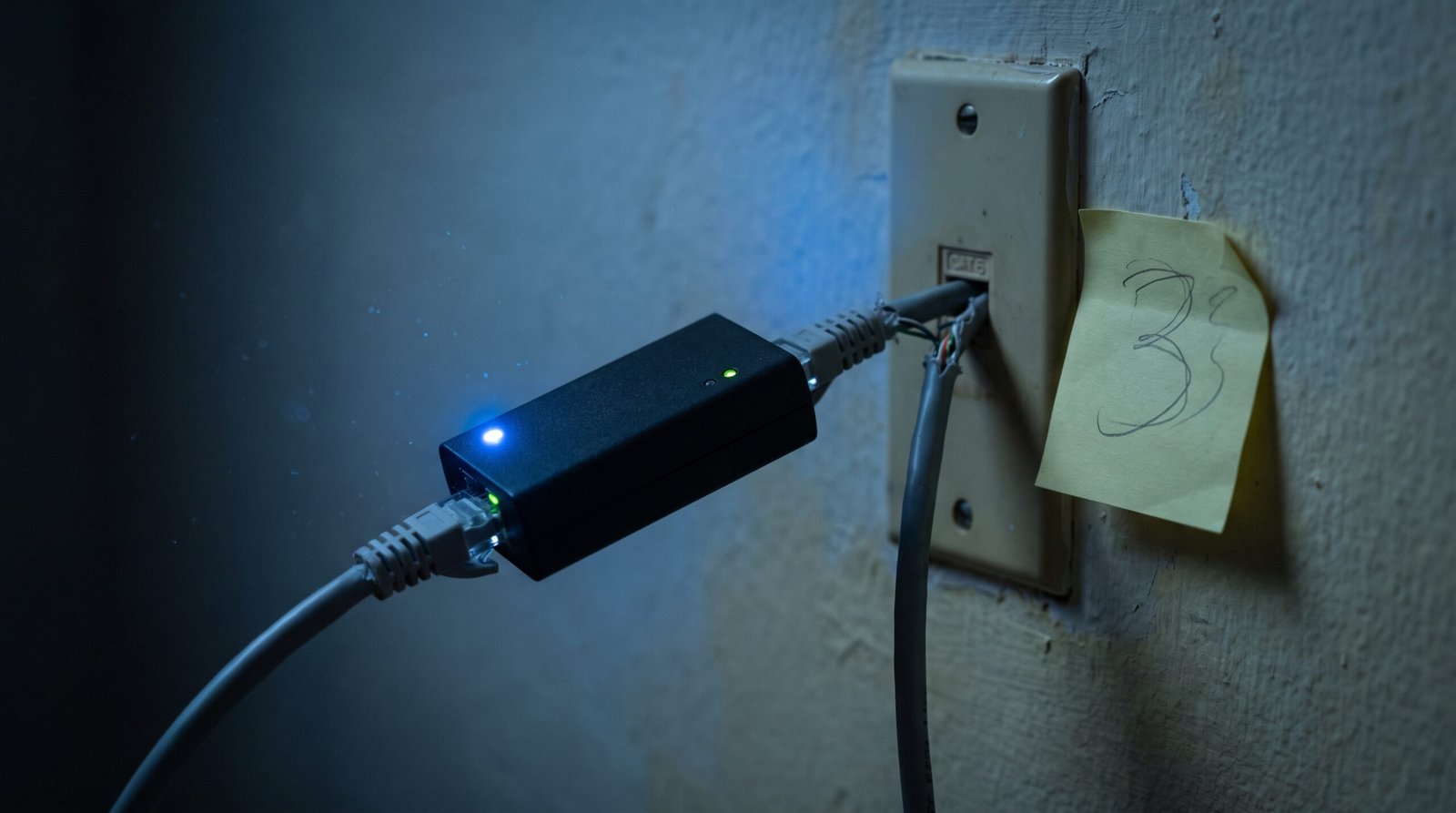
What a Modern Remote Access Trojan Actually Does
The RAT has changed. The 2015 RAT was a toy. The 2026 RAT is a mature criminal product with persistence, evasion, and operator UX. Here is what is actually running on the compromised endpoint.
-
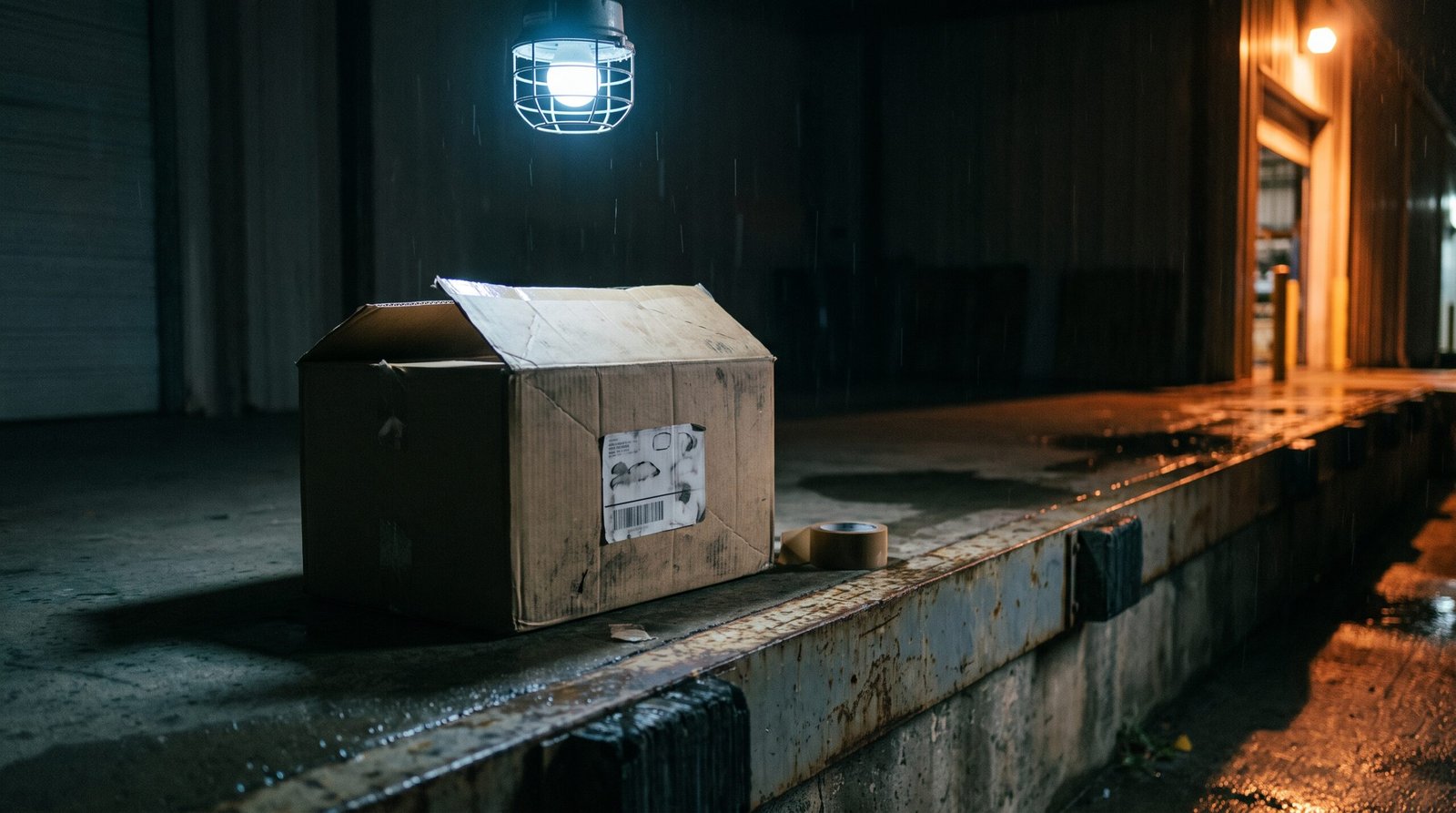
The Loader Economy: How Initial Access Brokers Work
The loader economy is the supply chain of ransomware. Initial access brokers buy the footholds, sell the footholds, and let the ransomware crews focus on the encryption. Here is how it works in 2026.
-

Ransomware Double Extortion Has Stopped Working
Double extortion ransomware was the dominant pattern from 2020 to 2024. The attacker encrypted the data and exfiltrated a copy, the victim paid the ransom to get both the decryption key and the non disclosure. By 2026 the pattern has stopped working, for three reasons that have less to do with the attacker and more…
-

The State of Viruses in 2026: A Clear-Eyed Look at Modern Malware
Around 450,000 new malicious programs are detected every day. That number has been roughly stable for three years. What is changing is the distribution.
-

The Phishing Email That Works in 2026 (And Why Your Filters Won’t Save You)
Phishing has not improved because filters got worse. It has improved because attackers can produce clean, context-aware messages, imitate legitimate login flows, proxy sessions, and exploit normal human urgency.
-

The Browser Has Become the Operating System. The Security Model Is From 2009.
For most office workers in 2026, the browser is the operating system. The security model of the browser was designed for a world where the browser was a document viewer, not the place where your work happens, and the gap is the attack surface.