

3 MIN READ
Picture the engineering org that has not run a SaaS audit in 12 months. The free tools cover most of the work. A handful of paid tools amount to worth the spend. The rest of the SaaS sprawl sits as waste, and the engineering leader who does not run the audit pays for the waste every quarter without knowing it. Worth the spend, pure waste, and the moves that pay for themselves inside a year. The split is sharp once the audit actually runs.
A SaaS management tool (Zluri, Productiv, Torii, or a spreadsheet if the budget does not stretch) gives the visibility. The audit surfaces the duplicates, the unused, the overpriced. The audit runs as work nobody wants to do, and the audit sits as the work that pays for everything else on this list. Most of the waste lives in the categories engineering leaders already know about, the categories that get talked about in every budget review and never get touched because touching them requires a political conversation nobody has time for.
What is worth the spend
Observability platform, full stop. Datadog, New Relic, Honeycomb, the dozen or so competitors. The platform tells the engineering org what the production system is doing in real time, with the context to debug. The open source alternatives (Grafana, Prometheus, the ELK stack) sit as credible, but the operational maturity of the paid platform counts as worth the spend for the org that does not have the engineering capacity to run the open source stack themselves. The cost difference between the paid platform and the in house open source stack comes down to roughly one senior engineer salary, which is usually the entire conversation.
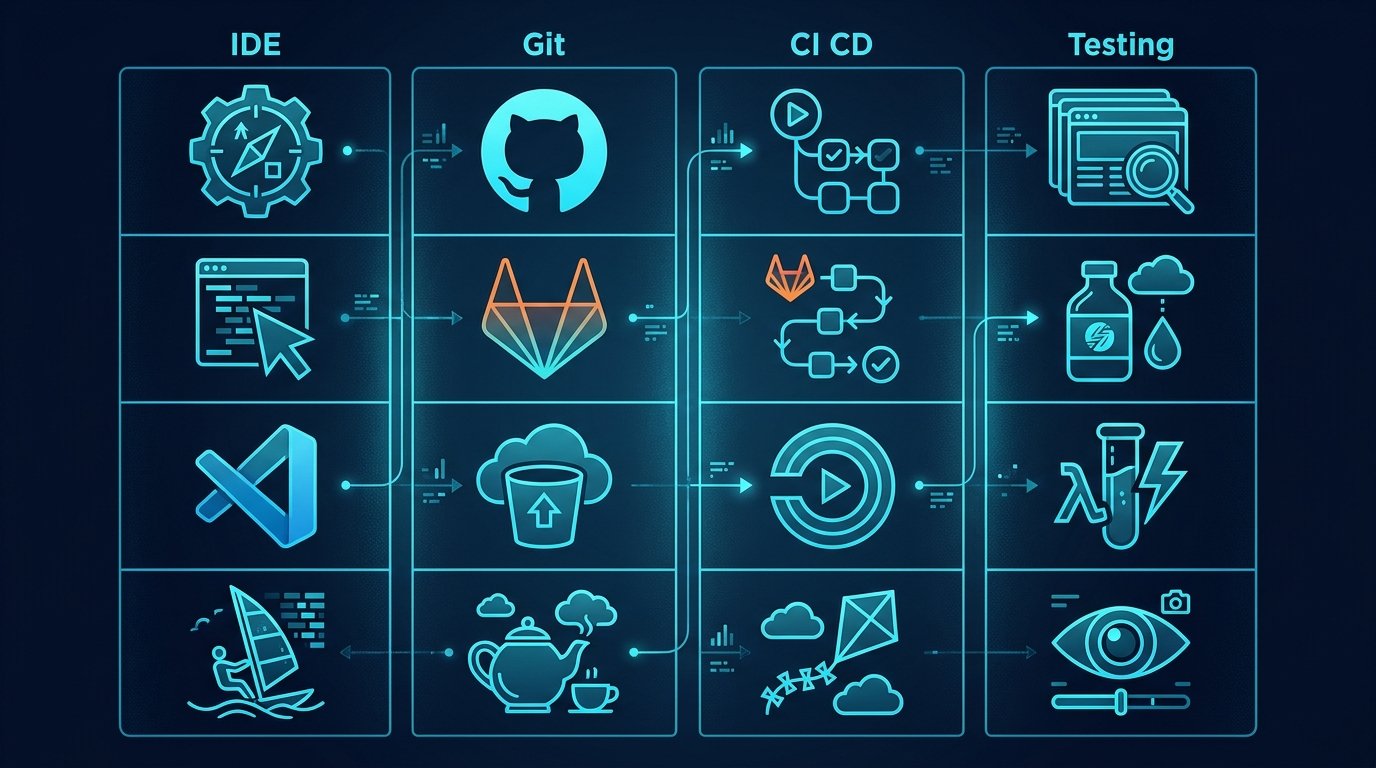
CI/CD platform. GitHub Actions, GitLab CI, CircleCI, Buildkite. The free tier covers most teams. The paid tier covers the org that needs the compliance features: SOC 2, SAML SSO, audit log, the build minutes that come with the contract. The decision amounts to whether the org needs those features, and the answer amounts to yes for any org that sells to enterprise customers.
Secrets management. HashiCorp Vault, AWS Secrets Manager, Azure Key Vault. The free alternatives work for the small org. The paid alternatives amount to worth it for the org that has the compliance requirements, the rotation cadence, and the audit trail the security org needs to show the external audit firm. The cost of a breach that involves a leaked secret sits as several orders of magnitude above the cost of the secrets management tool, which is the case the security lead makes every time.
What is not worth the spend
Duplicate point solutions. The org that has Datadog AND New Relic AND Honeycomb, because engineering picked one, the SRE org picked another, and the platform org picked a third. The duplicate serves as paying for the same capability three times, with the integration tax on top, with the cognitive overhead of three different query languages. The audit surfaces the duplicate in an afternoon, and the consolidation pays for itself inside a quarter.
Project management sprawl. Jira, Asana, Linear, ClickUp, Notion, the dozen or so competitors. The org that has all of them sits as paying for five tools to do the same job, with the integration tax on top, with the cognitive overhead of switching between them. Pick one, archive the rest, and the org will complain for a week and then forget the others existed.
AI coding tool sprawl. Cursor, Windsurf, Copilot, Cody, the dozen or so competitors. The org that gives every engineer the full subscription to every tool sits as paying for the same capability five times. Engineers use one. The other four sit as waste. The waste shows up in the audit, and the consolidation shows up in the same week.
What to do about it
Audit, full stop. The engineering leader has to know what the org is actually paying for. The SaaS management tool (Zluri, Productiv, Torii, or a spreadsheet if the budget does not stretch) gives the visibility. The audit surfaces the duplicates, the unused, the overpriced. The audit runs as work nobody wants to do, and the audit sits as the work that pays for everything else on this list.
Consolidation, with one tool per category, with the migration plan, with the off boarding plan for the rest. The consolidation serves as work that nobody wants to do, and the consolidation pays for itself within 12 months. The savings show up the moment the renewal comes around for a tool the org stopped using six months ago and nobody caught.
Renewal discipline, with the renewal dates, the usage data, the contract terms tracked in one place. The org that has the renewal discipline does not get caught by the auto renewal of the tool the org no longer uses. The renewal discipline amounts to cheap insurance, and the discipline pays for itself the moment a forgotten tool tries to charge the credit card on file.
The bottom line
Audit, consolidate, renewal discipline. Observability, CI/CD, and secrets management amount to worth the spend. Duplicate point solutions, project management sprawl, and AI tool sprawl amount to not. The engineering leader who runs the audit surfaces the waste. The leader who runs the consolidation captures the savings. The leader who runs the renewal discipline keeps the savings past the next budget cycle.
Sources & Further Reading
All claims in this article are sourced from primary documentation, vendor advisories, and reputable security researchers.
Spotted an error? Email the editor. Corrections are issued with a visible correction note.
Editorial standards. Every article on humanrequired.org is reviewed by a human editor before publication. AI may assist with drafting or research; final editorial control is human. Read the full standards.


